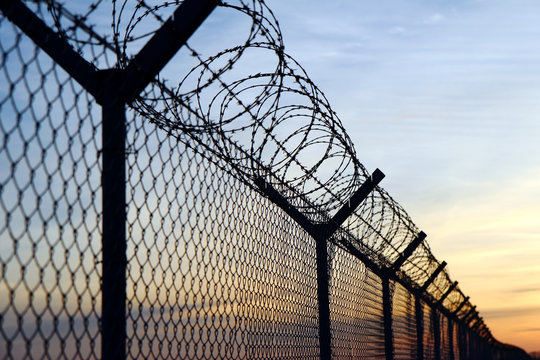
When you’re responsible for acres of ranchland in Southern New Mexico, a dependable fence isn’t something you can afford to overlook. It’s what helps keep cattle where they belong, establishes property boundaries, and makes managing livestock across large stretches of land a little easier. However, building a fence that stands up to the rocky terrain, dry soil, and demanding weather around Carlsbad takes more planning than simply setting a few posts and stretching wire between them.
For ranchers, farmers, and acreage owners throughout Eddy County, barbed wire fencing remains a practical option for livestock containment and boundary protection. It’s generally more economical for long fence lines than many solid fencing systems, and its relatively simple construction makes ongoing inspections and repairs manageable.
However, the quality of the installation matters. A poorly anchored post, weak corner brace, or improperly tensioned wire can create problems that become especially frustrating when the nearest section of fence is miles from your main ranch buildings.
Before investing in a new livestock containment fence, there are several things to consider:
- Cost-effectiveness: Barbed wire can provide an economical solution for fencing large ranches and agricultural properties.
- Livestock containment: Proper strand spacing, fence height, and tension help maintain secure boundaries for cattle.
- Terrain conditions: Rocky ground, loose soil, washes, and uneven elevations influence post placement and installation methods.
- Professional post installation: Properly driven or anchored posts and well-built braces provide the foundation for a dependable fence.
- Long-term maintenance: Regular inspections help identify loose wires, damaged posts, and areas requiring attention before livestock escape.
At Guadalupe Mountain Fencing, we’ve served ranchers, farmers, and property owners throughout Southern New Mexico and West Texas since 2010. Our experience with barbed wire, pipe, net wire, and other agricultural fencing systems helps us understand the practical challenges of protecting livestock and maintaining large rural properties.
Why Is Barbed Wire Fencing Popular With Southern New Mexico Ranchers?
Barbed wire fencing is popular with Southern New Mexico ranchers because it provides a relatively affordable way to establish livestock boundaries across large areas. Compared with many solid or mesh fencing systems, it requires less fencing material and can be adapted to the terrain found throughout Eddy County.
For cattle operations around Carlsbad, Loving, and Artesia, perimeter fences may need to cover substantial distances. The cost of posts, wire, gates, labor, and equipment can add up quickly when a property requires thousands of feet of fencing.
Barbed wire offers a practical balance between material costs and livestock containment when the fence is appropriately designed for the animals being managed.
Its open construction also allows wind to pass through rather than creating the same resistance associated with solid panels. That’s particularly useful across the exposed landscapes of southeastern New Mexico, where strong winds and blowing dust are familiar conditions.
However, not every agricultural operation requires the same fencing system. The number of animals, livestock species, grazing patterns, and surrounding property conditions all influence the best choice.
How Barbed Wire Fencing Helps Keep Livestock Contained
A properly installed barbed wire fence helps contain cattle by creating a visible physical boundary that discourages animals from pushing through or crossing it. Fence height, strand spacing, post stability, and wire tension all contribute to its effectiveness.
Choosing the Right Number of Wire Strands
Four- and five-strand barbed wire configurations are commonly used for cattle fencing, although the appropriate design depends on livestock characteristics and applicable requirements.
For example, a ranch supporting mature cattle may have different containment needs than an operation managing cows and young calves.
Smaller animals can sometimes pass beneath widely spaced bottom wires, while loose upper strands may provide inadequate containment.
New Mexico’s statutory specifications for certain lawful barbed wire fences describe a four-wire arrangement, but ranchers should confirm current requirements and whether additional project-specific standards apply.
Maintaining Proper Wire Tension
Wire tension plays an important role in keeping a livestock fence functional.
If the strands become too loose, cattle may push through gaps or lean against the fence. However, excessive tension can place unnecessary stress on posts and brace assemblies.
Proper installation involves selecting suitable wire, maintaining consistent spacing, and establishing appropriate tension without overloading the supporting structure.
Selecting Fencing for Different Animals
Barbed wire is commonly associated with cattle operations, but it isn’t appropriate for every livestock species.
Horses, for example, face a greater risk of serious injury from contact with barbed wire, making alternative fencing materials generally preferable.
Smaller livestock such as sheep and goats may also require woven wire or other specialized containment systems.
For ranchers considering barbed wire fencing in Carlsbad, NM, discussing the animals being managed is an important first step toward selecting the right fence.
How Southern New Mexico’s Terrain Affects Fence Installation
Southern New Mexico’s terrain affects fence installation because rocky ground, sandy soil, uneven slopes, and drainage washes require different post-setting and anchoring approaches. A fence that performs well on flat, compacted ground may need additional support when crossing difficult terrain.
Rocky Ground and Hard Soil
Some ranch properties around Carlsbad and the Guadalupe Mountains contain hard, rocky soil that makes post installation challenging.
Driving posts into unsuitable locations without adequate preparation can damage the posts or prevent them from reaching the necessary depth.
Professional installers can evaluate whether driven posts, drilled holes, specialized anchors, or other methods are appropriate for the specific ground conditions.
Loose and Sandy Soil
Other properties have loose or sandy areas where posts may be more difficult to secure.
If the foundation doesn’t provide sufficient resistance, wire tension and livestock pressure can gradually cause posts to lean or loosen.
Additional post depth, suitable foundations, or different anchoring methods may be necessary in these locations.
Washes and Uneven Terrain
Ranch fence lines sometimes cross dry washes or uneven ground that can carry runoff during heavy thunderstorms.
These areas deserve particular attention because flowing water and debris can damage fencing or undermine posts.
A professional ranch fence installation should account for drainage paths, elevation changes, and locations where extra bracing or specialized construction may be appropriate.
Why Professional Post-Pounding Matters for Ranch Fencing
Professional post-pounding helps create a more consistent fence foundation by using suitable equipment to drive posts into the ground at appropriate locations and depths. However, the method must match the soil conditions, post materials, and fence design, particularly across the varied terrain of Southern New Mexico.
Proper Post Depth and Alignment
Fence posts provide the support needed to maintain wire height and tension.
If posts are installed too shallow, they may gradually loosen or lean under pressure. Poor alignment can also create uneven tension and additional stress along the fence line.
Professional installation allows post spacing and placement to be planned around terrain changes, livestock requirements, and the intended fence configuration.
Strong Corner and End Braces
Corner and end braces are especially important because they help resist the pulling force created by tensioned wire.
A fence may have sturdy line posts but still fail if the corner assemblies aren’t properly constructed.
Gate openings, major changes in direction, and certain terrain transitions may also require additional bracing.
Professional Equipment vs. DIY Installation
For a short fence repair near a barn or pasture entrance, a rancher with the proper equipment and experience may be comfortable handling the work.
However, installing miles of fencing across uneven or rocky terrain is a different undertaking.
Professional equipment can help reduce manual labor, improve consistency, and address challenging installation conditions. The results still depend on appropriate design, operator experience, and ground conditions.
At Guadalupe Mountain Fencing, we bring local fencing experience to agricultural projects throughout Carlsbad and the surrounding region. We can evaluate your property and discuss suitable post installation, bracing, and fencing methods before work begins.
How Much Does Barbed Wire Ranch Fencing Cost?
Barbed wire ranch fencing costs depend on the length of the fence line, number of wire strands, post materials, terrain, gate requirements, and installation labor. Although it’s often an economical option for large properties, difficult access and ground conditions can significantly influence the total project cost.
Fence Length and Materials
Longer fence lines require more wire, posts, braces, and labor.
However, cost per foot may vary depending on the design and installation conditions. A straightforward boundary across relatively level terrain may be less complicated than a shorter fence requiring numerous gates, corners, and changes in elevation.
Terrain and Accessibility
Rocky soil, remote fence lines, steep slopes, and washes may require additional equipment or specialized installation methods.
For ranches outside Loving or near the Guadalupe Mountains, accessing certain sections with equipment can be a significant part of project planning.
Installation Quality and Long-Term Value
The lowest initial price isn’t always the least expensive option over time.
Poorly installed posts or inadequate bracing can result in sagging wires, repeated repairs, and additional labor.
Investing in appropriate materials and professional installation may help reduce preventable maintenance problems.
We encourage ranchers to request an estimate based on their actual property rather than relying solely on general per-foot pricing.
Common Barbed Wire Fence Problems Ranchers Should Watch For
Common barbed wire fence problems include loose strands, damaged posts, weak braces, broken wire, and gaps created by erosion or livestock pressure. Regular inspections help ranchers identify these issues before they lead to escaped animals or more extensive fence repairs.
Warning signs include:
- Wire strands that sag noticeably between posts.
- Corner or gate posts that lean under tension.
- Broken or missing wire fasteners.
- Rusted, damaged, or severed wire.
- Gaps beneath the fence where soil has washed away.
- Loose posts in sandy or eroded ground.
- Damaged sections near livestock gathering areas.
- Fencing affected by fallen branches, debris, or storm runoff.
For ranches throughout Eddy County, inspecting fence lines after strong winds and heavy rainfall is particularly useful.
High-traffic areas near gates, water sources, and feeding locations may also require more frequent attention because livestock tend to gather in these sections.
Barbed Wire vs. Net Wire and Pipe Fencing: Which Is Better?
Barbed wire, net wire, and pipe fencing serve different purposes, and the best option depends on livestock species, containment requirements, terrain, and budget. Ranchers should evaluate the specific application rather than assuming one fencing system works equally well everywhere.
| Fencing type | Common advantages | Important considerations |
|---|---|---|
| Barbed wire | Economical for long cattle fence lines | Not ideal for horses or some smaller livestock |
| Net wire | Smaller openings can help contain sheep, goats, and calves | More material and potentially more complex terrain installation |
| Pipe fencing | Strong, rigid construction for demanding locations | Often higher material and installation costs |
Some ranches benefit from combining several fencing types.
For example, barbed wire might be used along extensive cattle pasture boundaries, while pipe fencing could be more appropriate around handling areas, gates, or locations experiencing concentrated livestock pressure.
As a provider of farm fencing in Southern NM, we offer barbed wire, pipe, net wire, and other fence options. Our team can discuss which materials and configurations are appropriate for different areas of your property.
Wildlife and Boundary Considerations for New Mexico Ranch Fences
Ranch fencing should account for property boundaries, livestock needs, and wildlife movement before installation begins. In Southern New Mexico, fences may cross open rangeland used by deer, pronghorn, and other animals, so wire configuration can affect more than livestock containment.
New Mexico Natural Resources Conservation Service guidance includes wildlife-friendly fencing practices, such as appropriate top-wire heights and the use of smooth wire in selected locations. These recommendations can reduce certain wildlife entanglement risks while still supporting agricultural operations.
Before installing a boundary fence, ranchers should also confirm property lines, access easements, and any applicable local or project-specific fencing requirements.
For properties with conservation agreements or participation in agricultural assistance programs, additional specifications may apply.
Frequently Asked Questions About Barbed Wire Fencing in Carlsbad, NM
1. Is barbed wire fencing a good choice for cattle ranches in Southern New Mexico?
Yes, barbed wire is commonly used for cattle containment because it provides a practical and relatively affordable way to fence large areas. Proper strand spacing, tension, bracing, and post installation are essential for reliable performance.
2. How many strands of barbed wire should a cattle fence have?
Four or five strands are common for many cattle applications, but the appropriate configuration depends on the livestock, terrain, and applicable requirements. Ranchers should also consider calf containment and any wildlife-friendly fencing specifications.
3. Can barbed wire fencing be installed in rocky soil around Carlsbad?
Yes, barbed wire fencing can be installed in rocky areas, although difficult ground conditions may require specialized equipment or alternative post anchoring methods. Evaluating the soil and terrain before installation helps determine an appropriate construction approach.
4. Is professional post-pounding better than installing fence posts by hand?
Professional post-driving equipment can improve installation efficiency and consistency on suitable terrain, especially for long fence lines. However, rocky or unstable ground may require drilling, anchoring, or other methods instead of conventional post-pounding.
5. Does Guadalupe Mountain Fencing install ranch fences throughout Eddy County?
Yes. We provide ranch and farm fencing services throughout Carlsbad, Eddy County, Southern New Mexico, and neighboring West Texas communities. Our offerings include barbed wire, pipe, net wire, and other agricultural fencing systems.
6. How often should ranchers inspect barbed wire fences?
Ranchers should establish regular inspection schedules based on livestock activity, terrain, weather exposure, and fence condition. Additional inspections are particularly valuable after storms, heavy runoff, or incidents that may damage posts or wire.
Protect Your Southern New Mexico Ranch With Dependable Barbed Wire Fencing
For ranchers and acreage owners throughout Southern New Mexico, a strong fence is one of the most important investments in everyday property management. It helps establish boundaries, supports livestock containment, and reduces the complications that come with damaged or unreliable fence lines. Whether you’re replacing an aging perimeter fence near Carlsbad or installing new fencing across a large agricultural property, choosing appropriate materials and construction methods can make a meaningful difference. From rocky ground and sandy soil to challenging terrain and long distances, every ranch has conditions that deserve careful consideration.
At Guadalupe Mountain Fencing, we understand the demands of agricultural fencing because we’ve worked with rural property owners throughout Southern New Mexico and West Texas since 2010. Our experience with barbed wire, pipe, net wire, and other fencing systems allows us to discuss practical solutions for different livestock and property requirements. If you’re planning a new fence or dealing with deteriorating sections of an existing one, we’re ready to evaluate your needs and help you move forward.
Contact Guadalupe Mountain Fencing today to request an estimate for barbed wire ranch fence installation in Carlsbad, NM, and the surrounding region.